Shadow IT: Understanding and Managing Unsanctioned Technology in Your Business
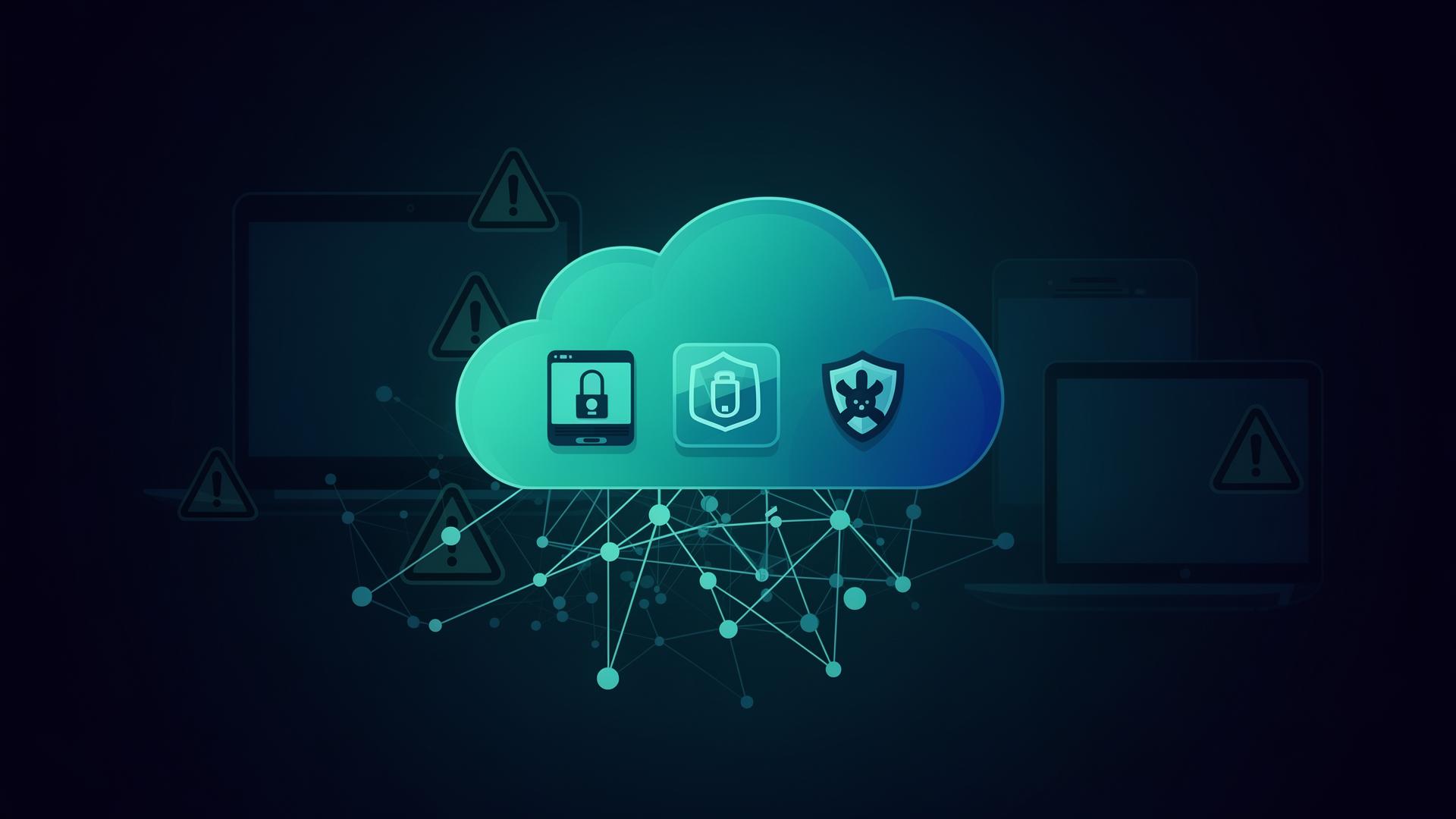
When employees subscribe to cloud storage, messaging apps, or productivity tools without IT approval, they create shadow IT—technology operating outside your organisation's visibility and control. While employees adopt these tools to work more efficiently, shadow IT introduces serious security, compliance, and data governance risks that can devastate small and medium businesses. Studies show that the average organisation uses over 1,200 cloud services, but IT departments are typically aware of only 10-15% of them. This visibility gap means sensitive data flows through unvetted applications, security policies go unenforced, and compliance violations accumulate silently. For SMBs with limited security resources, shadow IT represents a significant and growing threat. The solution isn't blocking all unsanctioned technology—that's both impractical and counterproductive. Instead, organisations need governance frameworks that provide visibility, assess risks, and enable safe adoption of beneficial tools. This guide explores how to understand, detect, and manage shadow IT while supporting employee productivity.
1. What Is Shadow IT and Why Does It Matter?
Shadow IT encompasses any technology—hardware, software, or cloud services—used within an organisation without explicit IT department approval or oversight. This includes SaaS applications employees sign up for individually, personal devices used for work, browser extensions, and cloud storage services for sharing files. The term 'shadow' reflects that these technologies operate in the darkness of IT visibility. Unlike sanctioned systems that undergo security review, integration planning, and compliance assessment, shadow IT appears organically based on individual employee choices. Common examples include: file sharing services like personal Dropbox or Google Drive accounts, messaging platforms like WhatsApp or Telegram for work communications, project management tools adopted by individual teams, AI assistants used for drafting content or analysing data, and browser extensions that access company data. Shadow IT matters because it creates uncontrolled attack surfaces, data exposure risks, and compliance gaps. When employees store customer data in personal cloud accounts, that data isn't backed up, isn't encrypted according to policy, and remains when employees leave. Shadow IT also wastes money through duplicate subscriptions and creates integration problems when different teams use incompatible tools.
3. Why Employees Turn to Shadow IT
Understanding why shadow IT emerges is essential for addressing it effectively. Employees don't use unsanctioned tools to cause problems—they're trying to work more productively. Inadequate approved tools drive employees to seek alternatives. When corporate file sharing is slow, restrictive, or unreliable, personal Dropbox becomes attractive. When the approved project management tool lacks needed features, teams adopt Trello or Asana independently. Employees choose productivity over policy when official tools fail them. Slow IT approval processes frustrate employees facing immediate needs. When requesting new software takes months of justification, security reviews, and budget approval, employees bypass the process entirely. Credit card signup for a SaaS tool takes minutes; official procurement takes quarters. Consumerisation of IT means employees know excellent tools exist and expect to use them. The apps on their phones are often more capable than enterprise software. When collaboration at home is seamless but work collaboration is clunky, employees import their preferred tools. Remote and hybrid work accelerated shadow IT adoption dramatically. Home workers needed collaboration tools immediately during pandemic transitions. IT departments couldn't provision approved solutions fast enough, so employees improvised with consumer tools—and kept using them. Generative AI has created the latest shadow IT wave. Employees use ChatGPT, Claude, and other AI tools for writing, coding, and analysis without understanding that pasting company data into these services may violate policies and expose sensitive information.
4. Detecting Shadow IT in Your Organisation
Before managing shadow IT, you must discover what exists. Multiple detection methods provide comprehensive visibility when combined. Network monitoring reveals cloud services accessed from corporate networks. Cloud Access Security Brokers (CASBs) analyse network traffic to identify SaaS applications, providing usage statistics and risk ratings for thousands of services. Even basic firewall logs show connections to cloud service domains. DNS analysis identifies cloud applications by the domains they use. Monitoring DNS requests from corporate networks reveals which cloud services employees access, including services that might evade other detection methods. Endpoint monitoring shows applications installed on corporate devices and tracks connections to cloud services from those devices. Endpoint Detection and Response (EDR) tools provide this visibility as part of their security monitoring. SSO and identity provider logs reveal shadow IT when employees use corporate email addresses to register for cloud services. Many shadow IT applications send verification emails that appear in email logs. Browser extensions and plugins represent overlooked shadow IT. Enterprise browser management or endpoint tools can inventory extensions accessing corporate data. Some extensions have excessive permissions that create significant risk. Financial discovery through expense reports and credit card statements reveals SaaS subscriptions purchased by employees or departments. Procurement analysis identifies software spending outside approved channels. Employee surveys asking about tools used for specific tasks can reveal shadow IT while signalling that the organisation wants to understand needs—not punish usage. Anonymous surveys yield more honest responses about unsanctioned tool adoption.
5. Assessing Shadow IT Risks
Not all shadow IT presents equal risk—assessment helps prioritise response efforts. Evaluate discovered applications across multiple dimensions. Data sensitivity assessment examines what types of data flow through each application. Shadow IT containing customer PII, financial data, or intellectual property requires urgent attention. Applications used only for internal scheduling present lower risk. Vendor security assessment evaluates the security posture of shadow IT providers. Do they offer enterprise security controls? Have they experienced breaches? Do they provide compliance certifications? Consumer-grade services typically lack enterprise security features. User population analysis considers how many employees use each service and in what roles. A single employee using a note-taking app differs from the entire sales team using an unapproved CRM. Broader adoption means more data exposure and harder remediation. Integration analysis examines how shadow IT connects with other systems. Does it have access to corporate APIs or data sources? OAuth connections to email or cloud storage amplify risk by granting ongoing data access. Replaceability assessment considers whether approved alternatives exist. If shadow IT fills genuine capability gaps, simply blocking it will frustrate employees and drive adoption of other unapproved alternatives. Create risk ratings combining these factors to guide prioritisation: critical shadow IT requiring immediate action, high-risk applications needing near-term remediation, medium-risk services for longer-term governance, and low-risk tools that may be acceptable with monitoring.
6. Building a Shadow IT Governance Framework
Effective shadow IT management requires governance frameworks balancing security with usability. Define clear policies about technology adoption—not blanket prohibitions, but guidelines explaining when approval is needed and how to obtain it. Fast-track approval processes for low-risk applications reduce incentives for shadow IT. Create a sanctioned application catalogue providing approved alternatives for common needs. When employees want file sharing, point them to approved options. When teams need project management, offer vetted solutions. Make approved tools easy to find and adopt. Establish a lightweight request process for new applications. Employees should be able to propose new tools with simple justification. Security teams can assess risks and approve quickly for low-risk requests. Reserve extensive evaluation for high-risk applications handling sensitive data. Implement risk-based controls rather than uniform restrictions. Allow consumer-grade tools for non-sensitive use cases while requiring enterprise solutions for regulated data. Different risk levels justify different governance intensity. Create feedback mechanisms so employees can report when approved tools fall short. This information helps IT understand needs and improve sanctioned options. When official tools genuinely meet needs, shadow IT adoption decreases. Build cross-functional governance including IT, security, legal, compliance, and business representatives. Shadow IT decisions involve security tradeoffs, legal risks, compliance requirements, and business productivity—all perspectives matter.
7. Technical Controls for Shadow IT Management
Technical controls provide visibility and enforcement supporting governance frameworks. Cloud Access Security Brokers (CASBs) are purpose-built for shadow IT management. CASBs discover cloud application usage, assess application risks, apply security policies, and can block access to high-risk services. They provide the visibility foundation for governance decisions. Secure Web Gateways (SWG) can block access to prohibited cloud services based on category or specific applications. However, blocking alone is insufficient—employees find workarounds, and legitimate needs go unmet. Use blocking selectively for truly unacceptable risks. Data Loss Prevention (DLP) can prevent sensitive data from reaching shadow IT applications. Even when cloud applications can't be blocked entirely, DLP can prevent customer data, financial information, or intellectual property from being uploaded. Identity governance ensures corporate credentials don't proliferate across shadow IT. Single Sign-On (SSO) provides visibility into authentication while reducing password reuse risks. Conditional access policies can require managed devices or specific security conditions for cloud application access. API-level controls monitor OAuth connections between shadow IT and corporate data sources. When employees connect their Dropbox to corporate email, API monitoring reveals this integration. Revoking unnecessary OAuth grants limits ongoing data exposure. Mobile Device Management (MDM) controls can separate work and personal applications on devices, preventing corporate data from reaching personal apps while allowing personal tool usage for non-sensitive purposes.
8. Responding to Shadow IT Discoveries
When shadow IT is discovered, response should be measured and constructive rather than punitive. For low-risk shadow IT meeting legitimate needs, consider formal sanctioning. If the security assessment is acceptable and employees find value, adding it to approved tools is easier than forcing migration to alternatives nobody wants. For moderate-risk shadow IT, implement additional controls before allowing continued use. Require SSO integration, enable enterprise security features, or restrict to non-sensitive data. Work with vendors to implement security improvements. For high-risk shadow IT containing sensitive data, develop migration plans moving data to approved alternatives. Provide adequate transition time and support. Simply blocking access before data migration can cause data loss and operational disruption. For shadow IT with active security issues—known breaches, malware, or exposed data—immediate response may be necessary despite disruption. Communicate urgency clearly while providing alternatives for business continuity. Throughout response efforts, avoid blame and punishment for past shadow IT usage. Employees adopted these tools trying to work effectively. Punitive responses discourage future transparency and drive shadow IT deeper underground. Focus on education about risks and guidance toward approved alternatives. Document shadow IT incidents and responses for pattern analysis. Understanding which needs drive shadow IT adoption helps prevent recurrence through better approved tool selection and faster provisioning processes.
9. Addressing the Generative AI Shadow IT Wave
Generative AI presents the latest and perhaps most challenging shadow IT phenomenon. Employees across all functions use ChatGPT, Claude, Gemini, and similar tools for writing, analysis, coding, and research—often without understanding data implications. AI shadow IT risks differ from traditional shadow IT in important ways. Employees paste sensitive information into AI prompts without realising this data may be used for training, stored indefinitely, or potentially exposed. Intellectual property, customer data, and strategic information flow into AI services daily. Create explicit AI acceptable use policies addressing what data can and cannot be used with AI tools, which AI services are approved, how to evaluate AI outputs for accuracy, and requirements for human review of AI-generated content. Consider providing approved AI tools with enterprise data protections. Commercial AI services increasingly offer enterprise versions with data privacy commitments, SSO integration, and admin controls. Providing sanctioned AI access reduces incentive for consumer AI shadow IT. Implement technical controls where possible. DLP can detect sensitive data in AI service uploads. Network monitoring can track AI service usage patterns. Some organisations route AI traffic through proxies adding data filtering. Educate employees about AI-specific risks including data exposure, hallucination risks, copyright concerns, and over-reliance on AI outputs. Many employees don't understand that conversational AI interactions still constitute data sharing with third parties. Accept that some AI usage will occur regardless of policy. Focus controls on preventing sensitive data exposure rather than eliminating all AI use—the latter is neither achievable nor beneficial.
10. Creating a Culture That Reduces Shadow IT
Technical controls and policies are necessary but insufficient. Sustainable shadow IT management requires cultural change addressing root causes. Make IT a partner rather than obstacle. When employees view IT as the department of 'no,' they avoid engagement entirely. Position IT as a resource helping employees find solutions—including evaluating new tools that might genuinely help. Communicate transparently about why governance exists. Employees accept reasonable restrictions when they understand the risks. Explain how shadow IT can expose customer data, create compliance violations, and cause breaches affecting everyone. Connect security to outcomes people care about. Celebrate approved tool adoption rather than just enforcing prohibition. When teams successfully adopt new tools through proper channels, share those success stories. Make sanctioned tool adoption the norm rather than the exception. Gather continuous feedback about tool adequacy. Regular surveys asking whether approved tools meet needs identify gaps before shadow IT fills them. Act on feedback—if employees consistently request capabilities, evaluate whether to provide them. Speed up approval processes dramatically. If security review takes three months, employees will work around it. Create fast-track processes for common low-risk requests. Reserve extensive evaluation for genuinely high-risk applications. Remember that shadow IT represents employee initiative and problem-solving—qualities you want to encourage. Channel that energy productively rather than suppressing it. The goal isn't eliminating all unsanctioned technology but creating governance that balances innovation with appropriate risk management.
Conclusion
Shadow IT will never be eliminated entirely—and attempting to do so is counterproductive. Employees will always seek tools that help them work more effectively, and technology consumerisation means excellent options are always a credit card signup away. The goal is not prohibition but governance: visibility into what technology is actually in use, assessment of associated risks, controls proportionate to those risks, and approved alternatives that genuinely meet employee needs. Organisations that succeed with shadow IT management treat it as a symptom rather than the disease. The underlying issues—inadequate approved tools, slow procurement processes, and IT departments perceived as obstacles—drive shadow IT adoption. Address those root causes and shadow IT decreases naturally. For SMBs with limited security resources, pragmatic shadow IT governance is essential. Focus on discovering high-risk shadow IT, particularly applications processing sensitive data or with enterprise-wide adoption. Implement controls preventing the most serious risks while accepting that some low-risk shadow IT may persist. Build governance frameworks that scale with your organisation and create cultures where employees see IT as partners in finding solutions rather than barriers to productivity.
About the Author
Bleach Security Team is part of the Bleach Security team, specializing in cloud security, compliance, and helping businesses protect their digital assets.
Published on January 21, 2026
Frequently Asked Questions
Ready to Enhance Your Cybersecurity?
Discover how Bleach Security can help protect your business with our comprehensive security solutions.
Related Articles

Insider Threats: How to Detect and Prevent Internal Security Risks in 2026
Insider threats pose one of the most challenging security risks organisations face today. Whether malicious or accidental, employees with trusted access can cause devastating damage. Learn proven strategies to detect warning signs, implement preventive controls, and respond effectively to internal security incidents.
Supply Chain Security Attacks: How to Protect Your Business in 2025
Supply chain attacks have become one of the most devastating cyber threats, allowing attackers to compromise thousands of organizations through a single trusted vendor. Learn how to assess vendor risk, secure your software supply chain, and respond to supply chain incidents.